History of Sagrada Familia
History of Sagrada Famila
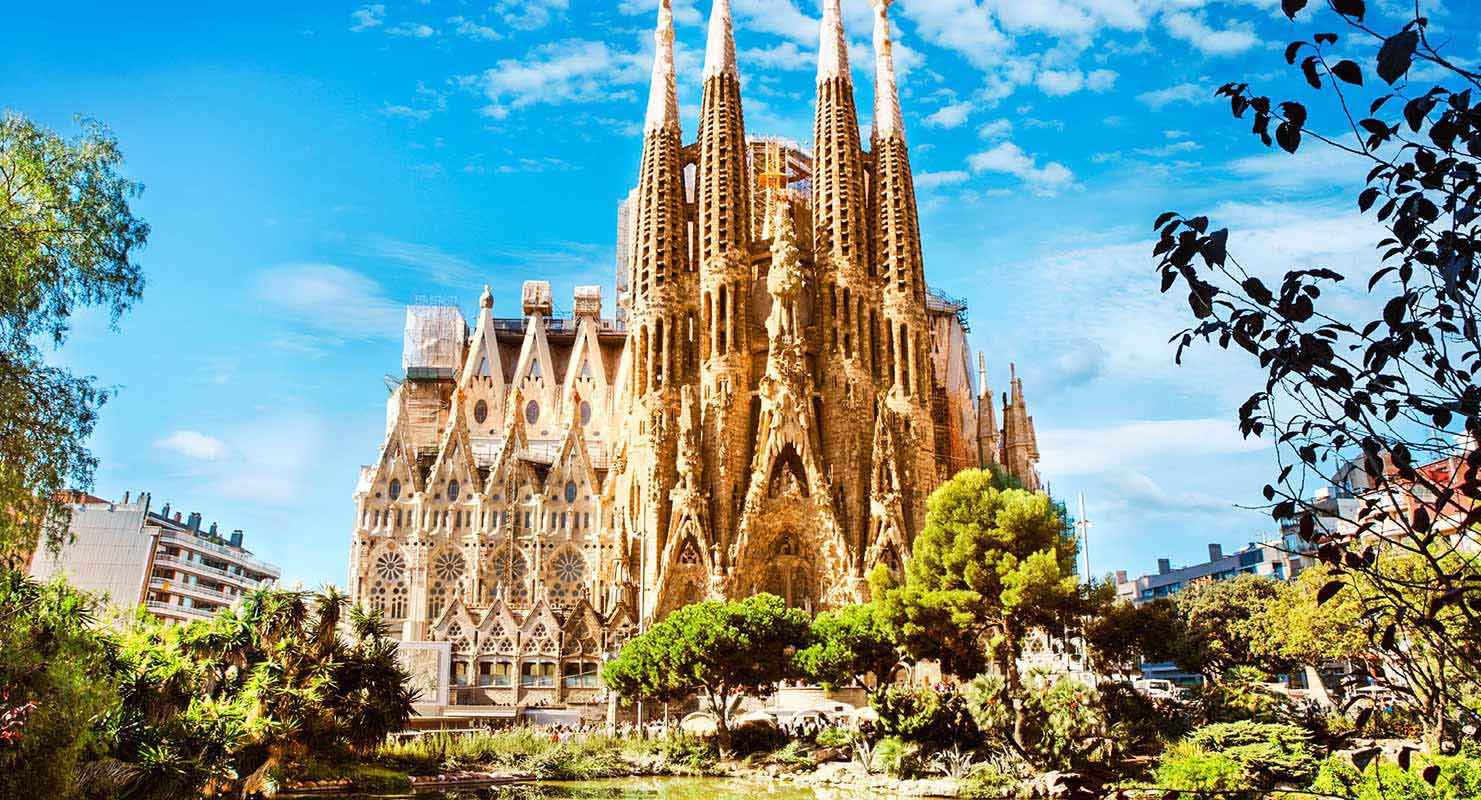
When the inspiration stone of the Basílica I Temple Expiatori de la Sagrada Família was laid in 1882, it’s unlikely that anyone involved anticipated that the development of this church would take overflow a century to finish . But when Catalan architect Antoni Gaudí, now famous for his unique combat the Modernista movement, took charge of the project a year later, he scrapped the first neo-Gothic design plans and exchanged them for a grander vision, unlike any the planet had ever seen.
Gaudí worked steadily on his masterpiece until his death in 1926, at which point an estimated 15 to 25 percent of the entire design, including the crypt, the apse walls, a portal, and a tower, was complete. Since then a series of architects have attempted to continue his legacy. Not surprisingly, progress on Sagrada Família’s construction has faced a couple of setbacks over the past 130+ years. Vandalism in 1936 following the outbreak of the Spanish war resulted within the destruction of the many of Gaudí’s models. The sacristy was destroyed during a fire in 2011.
When complete, the church are going to be composed of three major facades, two of which — the eagerness facade and therefore the Nativity façade — have already been completed, while construction of the Glory facade remains ongoing. Much of the ornate Nativity facade was completed by Gaudí himself, who feared that beginning with the austere Passion facade would temper the public’s enthusiasm. the eagerness facade’s gaunt, tortured figures, sculpted by Josep Maria Subirachs, have met with probably a number of the harshest complaints from critics, though the church’s website defends the planning , saying its graphic nature ree most important and most impressive of the three, began construction in 2002.

The church’s interior is defined by columns that stretch like tree branches toward the ceiling. Gaudí’s plans also involved 18 spires, eigmains faithful Gaudí’s original vision of a facade meant to inspire fear. The Glory facade, expected to be th ht of which are complete, also as numerous towers, chapels, portals, and other interior features. When built, the tallest spire, which symbolizes Jesus , will secure Sagrada Família’s place because the world’s largest church .
Though Sagrada Família is claimed to be Gaudí’s work of art , the architect appeared unfazed by its glacial progress, remarking, “There is not any reason to regret that I cannot finish the church. i will be able to get older but others will come after me. What should be conserved is that the spirit of the work, but its life has got to depend upon the generations it's handed right down to and with whom it lives and is incarnated.” Despite this statement’s apparent acceptance of the inevitable variations on his design at the hands of the architects who followed him, some have advocated for leaving the church unfinished out of respect for the first designer.
Some projections have Sagrada Família’s completion date as 2026, the centennial anniversary of Gaudí’s death, while others estimate construction could continue into the 2040s. Though still incomplete, the church sees an estimated 2.8 million visitors annually .


Comments
Post a Comment