Chittagong, Bangladesh
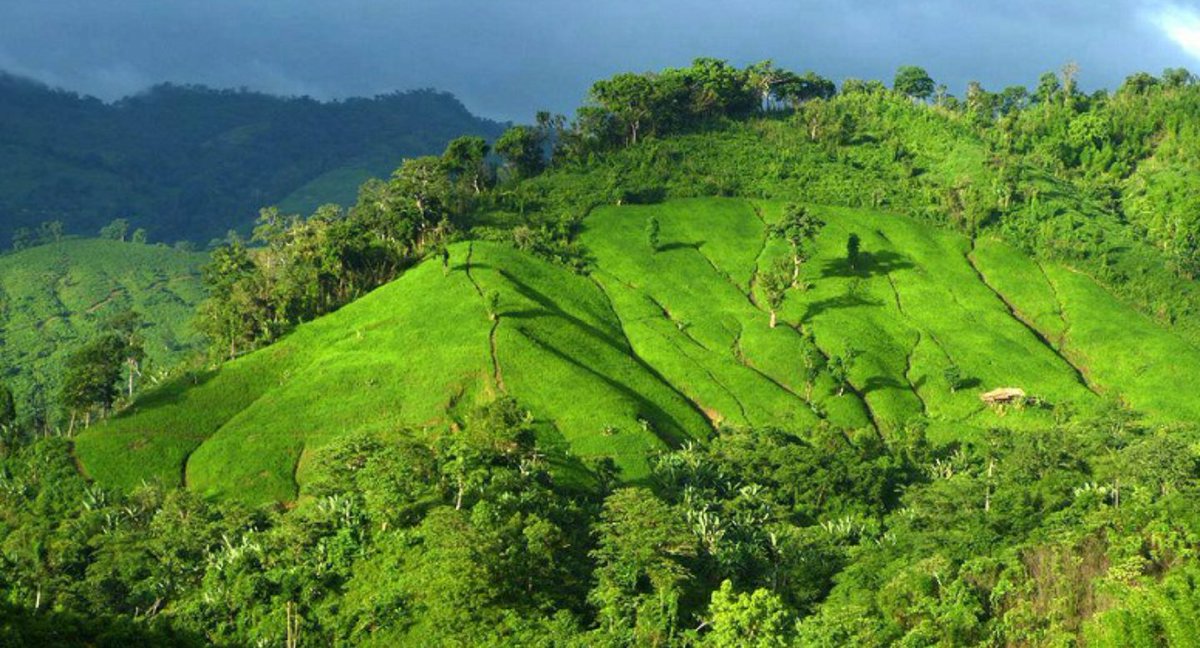 |
| Nature of Chittagong |
Chittagong Bangladesh
Chittagong, city
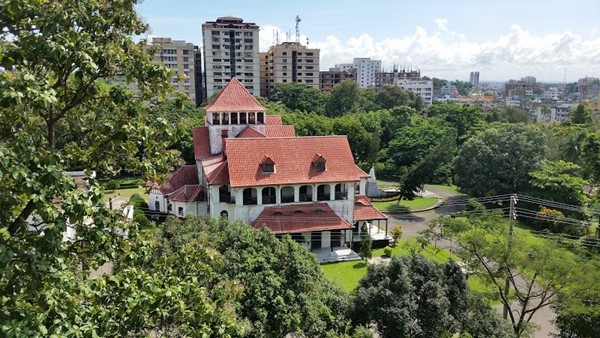 |
| Zia Memorial Museum, Chittagong |
History
Chittagong’s fine natural harbour was known to the Mediterranean world from the first Christian era and to Arab sailors by the 10th century. it had been called Porto Grande by Portuguese and Venetian voyagers and was described by João de Barros in 1552 as “the most famous and wealthy city of the dominion of Bengal.” it's been generally identified with the town of Bengala described by early Portuguese and other writers. Conquered by the Muslims within the 14th century, Chittagong passed to the Arakanese within the next century. The piratical raids of the Arakanese and their Portuguese mercenaries led to the dispatch of a robust force by Shaista Khan, the Mughal governor (nawab) of Bengal, who in 1666 occupied the region. Chittagong was ceded to British Malay Archipelago Company in 1760.
Chittagong was constituted a municipality in 1864 and grew in several directions along the most routes of transportation. Although the headquarters of the Bangladesh Railway are in Chittagong and therefore the railway workshop is within the nearby town of Pahartali, the port remained the centre of city life and trade. After the creation of Pakistan in 1947, much trade was diverted to Chittagong from Calcutta (now Kolkata, in India), and therefore the port was improved considerably. With well-equipped facilities and various permanent jetties and moorings, the port became the gateway of Bangladesh for foreign trade.
The Contemporary City
Present-day Chittagong was developed consistent with a series of master plans, including the development of varied buildings and two sizable markets (covering a neighborhood of about 700,000 square feet [65,000 square metres]). Cotton and jute milling, tea and match manufacturing, chemical production, and engineering works are among the principal industries. along side jute and jute manufactures, tea and naphtha are among the city’s principal exports. An iron and steelworks and an outsized petroleum refinery are also located within the city, and a large-capacity pipeline links the petroleum refinery with an offshore terminal.
Chittagong may be a major communications centre. it's linked by rail and road with Dhaka, Comilla, and Feni (all to the northeast) and by air with Dhaka, Cox’s Bazar (to the southwest), and a number of other international destinations, including Kolkata, Muscat (in Oman), and Dubayy (in the United Arab Emirates). Among the foremost important industrial cities in Bangladesh, Chittagong has various manufacturing establishments that reach about 10 miles (16 km) to the north and northeast from the town proper. the town also has an export-processing zone also as branch offices of the many foreign firms and banks.
Chittagong has several hospitals, an ethnological museum, and lots of institutions of upper education, of which the University of Chittagong (1966) and Chittagong University of Engineering and Technology (1968) are the foremost prominent. Nearby are a cadet college (at Faujdar Hat) and a merchant-marine academy. The Zia Memorial Museum (established 1993) preserves the situation where Bangladeshi leader Zia ur-Rahman was assassinated in 1981.
The area surrounding Chittagong is heavily populated and comprises a narrow strip of coast along the Bay of Bengal and ranges of low hills separated by fertile valleys. The climate is moist, warm, and equable, with an important rainfall amounting to quite 100 inches (2,540 mm) annually, falling mainly during the summer monsoons. The area’s chief rivers are the Karnaphuli, Feni, Halda, Sangu, and Matamuhari. the upper parts of the Chittagong Hills are forested, while the lower portions are covered predominantly with brushwood. Between the hills lie cultivated valleys that were originally filled by deposits of sand and clay washed down from the hills. Rice is that the most vital crop; tea is grown on low hills that are unfit for rice cultivation. Chilies and vegetables also are grown, and cane and bamboo are economically valuable forest products.


Comments
Post a Comment