Harbour Bridge, Sydney
Sydney Harbour Bridge
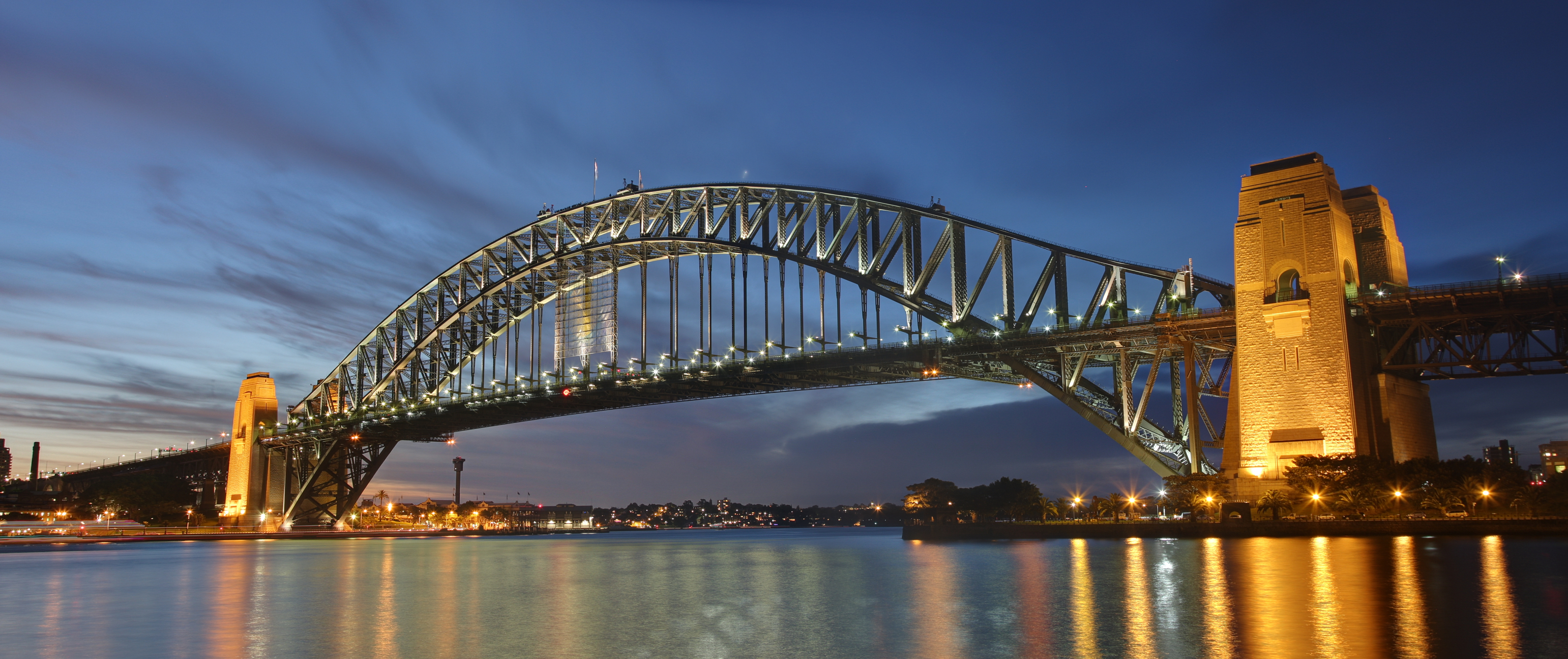
Sydney Harbour Bridge, steel-arch bridge across Sydney Harbour (Port Jackson), Australia. The bridge, opened in 1932, is the first transportation link between Sydney and its suburbs on the northern side of the harbour. It spans about 500 metres (1,650 feet), making it one among the longest steel-arch bridges within the world. Along its length, it features four railroad tracks, a highway, and two pedestrian walkways
In 1912 John Bradfield, a engineer with the New South Wales Department of structure , presented plans to Australia’s parliament for the development of a bridge over Sydney Harbour, with options for either a bridge or a bridge design. He envisioned the structure as a part of an electrical railway for Sydney and its suburbs. The year after Brad-field submitted his plans, his cantilever design was accepted, and he was appointed to steer the project. Work on the bridge was delayed by war I, however, and it had been not until 1922, with the passage of the Sydney Harbour Bridge Act, that funding for the project became available. By that point too, progress in steelmaking had made possible the development of an arch bridge.
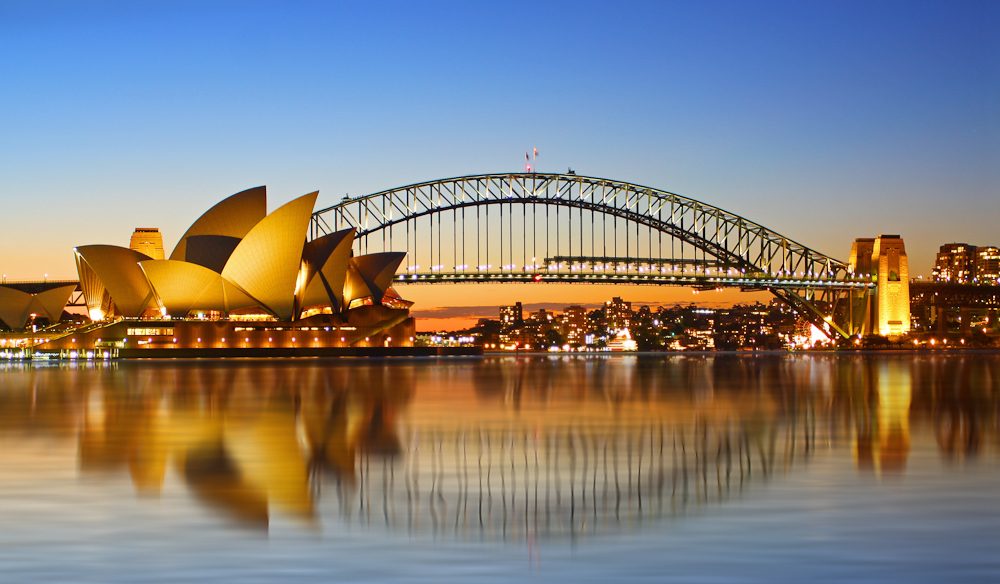
The building contract was awarded to English enterprise Dorman Long & Co., which hired Sir Ralph Freeman to perform detailed design work. The final, approved plan involved a steel-arch bridge linking Dawes Point on the south with Milsons Point on the north. An arch bridge was chosen because it had been less costly than a cantilever design and capable of handling heavier loads. Construction began in 1924 under Brad-field's supervision. The deep waters of Sydney Harbour made temporary supports impractical, therefore the steel arch was assembled by building out from each bank. the 2 sides met within the middle in 1930, and therefore the bridge was officially opened with an elaborate ceremony on Saint Joseph , 1932.

Despite Brad-field's submission of proposals for the bridge design, Freeman considered himself to be the bridge’s true designer. The claim was supported by some authorities, though the controversy was never fully resolved.


Comments
Post a Comment